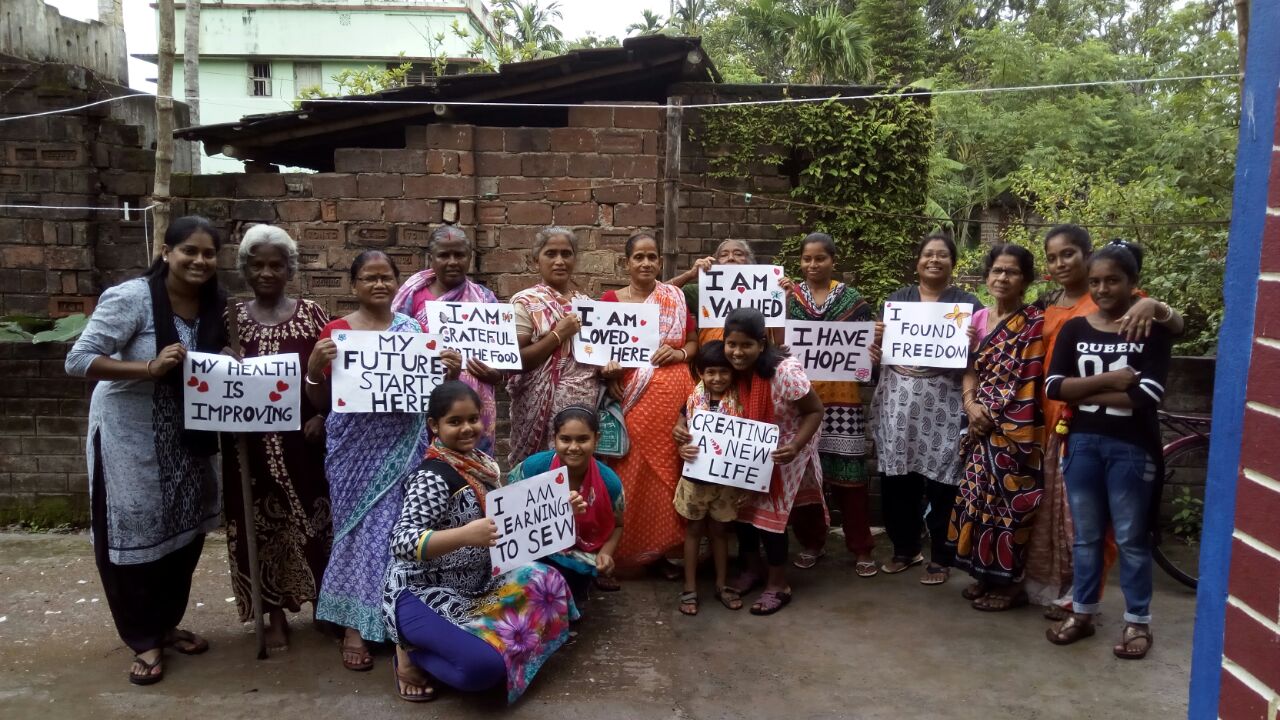
“Never again a child on the streets.”

That’s the motto of Los Quinchos, one of the organizations that has long supported the dire needs of children in Nicaragua: Nunca mas un niño en la calle.
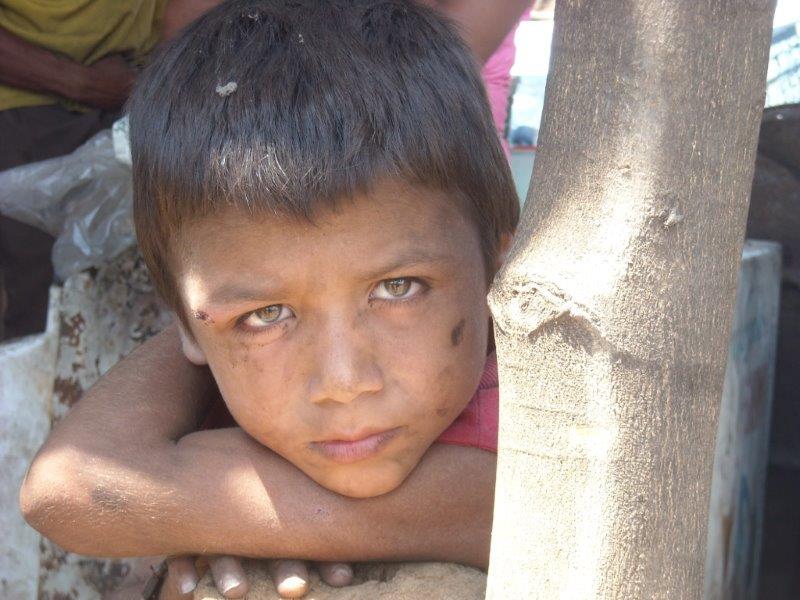
Managua_empty staring eyes

I last visited Managua in 2009 and shared the story of La Chureca. Even now, the acrid, burning smells and sights of ‘garbage living’ make me wince in memory.
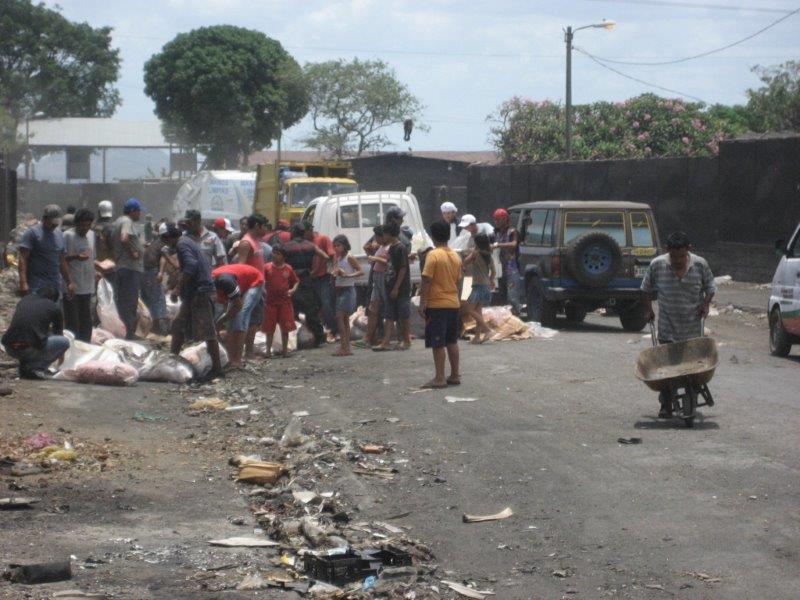
Managua_scavenging the meat load Managua_young boy pokes head out of his home as we walk by

Imagine having to scavenge for your food through the loads dumped by meat trucks from nearby businesses: outdated meats from grocery stores, only food good enough for the dump.

Earlier this year, the Spanish aid agency AECID provided the funding to seal off the dump, establish a recycling plant and provide housing for some of the families. The city dump was renamed Bajos des Acahualinca.

It’s hard to believe the reports, and I long to go back and see the changes for myself, but according to ProNica:

“…the sea of shacks and families raking through trash has been replaced by a recycling plant; the once smoldering piles of trash have been compacted and covered with dirt. Only pieces of cement are left where the acres of trash once stood.”

The changes have brought about other needs, as Carlos Vida, International Coordinator for Los Quinchos, reports. Children are vulnerable; the drugs and violence and abuse have not disappeared, they have merely been moved along.

As with so many projects to provide a way out of poverty, it’s about a long-term commitment to empowering people through education.

A world of difference

Pensive, but determined.

rural village leaders in plansNot so long ago we were meeting to discuss the needs and possibilities for the rural communities of Burma. Together we were exploring projects to build a village school, to support a medical facility, to expand a crucial water pipeline…and to bring electricity to a village in Mon State.

It’s kind of unreal to think about all these things when you can barely figure out the day-to-day responsibilities for feeding your family.

This particular day was especially wonderful. It went beyond merely sharing dreams – to actually making them happen. The culmination of a year’s worth of planning and final preparations to train Myanmar’s first grandmother solar engineers at Barefoot College.

Mon State Village leaderIn the ‘before’ picture my arms are wrapped around one of the five village leaders who had been crucial in collaborating for the future of her community. This woman is strong and dedicated to her family. Somewhat shy and insecure about her abilities to participate in the program, she was nevertheless filled with wonder and amazement at how she would be able to help her community. To be able to send her grandchildren to school, for them to be able to study with the lights on, for no-one in the Barefoot College 2013village to have to travel miles to get clean drinking water – all these things were in her reach, as she was going to embark on the training program.

Last month the group returned from their 6-month trip to India. From the overwhelmed shock of emotions to the incredible confidence and joy – these pictures are testimony to a journey of empowerment.

According to the Myanmar Times, deputy minister of rural development, U Aung Myint Oo, described the women as “an inspiration”:

“It is unthinkable that these six semi-literate Myanmar women from remote villages travelled abroad to study solar assembly. Their desire to light up their remote villages is highly commendable. It is an inspiration to all people in Myanmar that women of their age can learn something really important for their communities.”

And so, as one life-changing journey ends for the individuals, another rousing journey starts for the sustainable development of their rural communities.

As a side note, Barefoot College founder, Bunker Roy, has since received the Clinton Global Citizen Award for Leadership in Civil Society at this year’s Clinton Global Initiative Annual Meeting in New York City. A perfect recognition for all the amazing work that he has initiated around the world!

What does love look like?

It looks like this. A child, in pain, dying.

what does love look like?

When I look at this picture my heart is ripped out. I am anguished by his suffering. I ask myself, how can I ease his pain?

Young boys work in grown-up jobs all over the world. In dangerous jobs. In this case, a young, orphaned boy tumbled out of a truck overloaded with rocks that he had been helping to distribute. He was earning a mere dollar a day, which translates to about 850 kyat in Burma. A pittance, but what were his options?

After his accident, the already emaciated Soe Min became seriously ill. With no-one prepared to take him in, he somehow found his way to our orphanage. The hospital could do nothing more for him, but at the orphanage he found care. For a short time, he had a loving, nurturing home. He died in dignity a few weeks later, surrounded by caregivers who cherished him until the end.

That’s what love looks like.