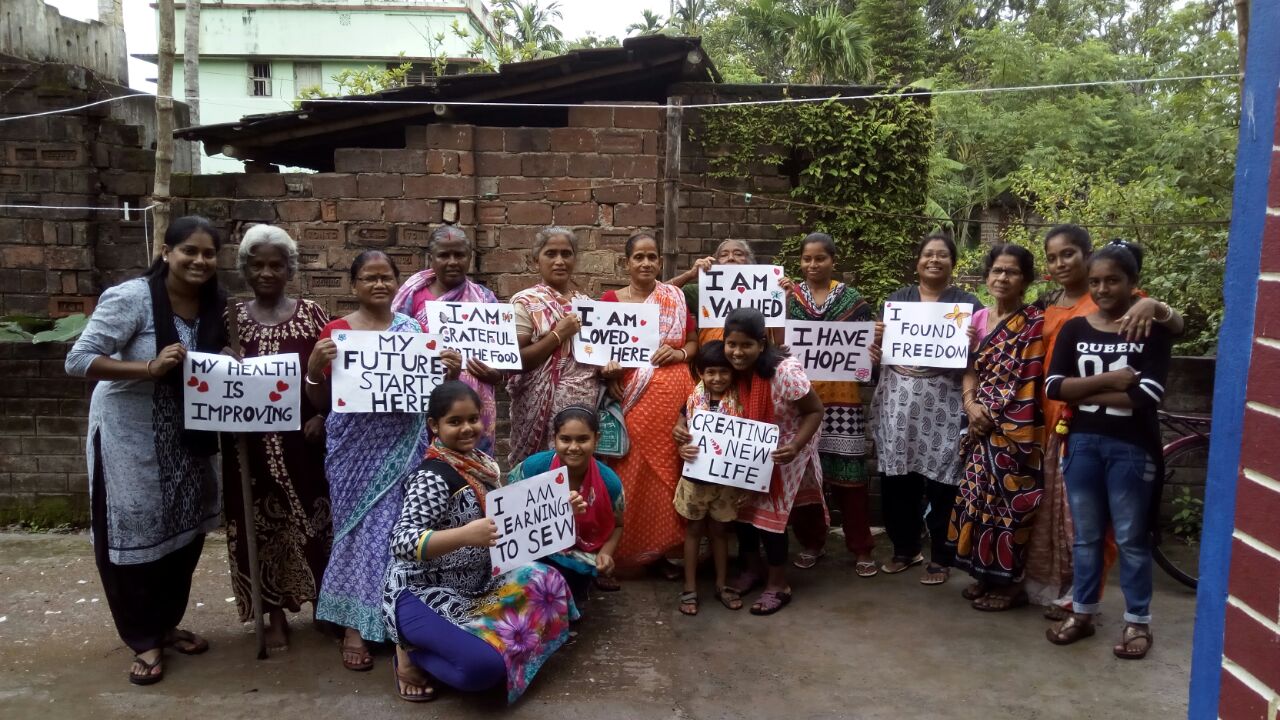
Full Moon is the name of an orphanage in Myanmar, where more than 200 children live. The youngest are toddlers, around 3-years old, finding their way to the orphanage with hardly a memory of the place they have come from. The oldest are young adults in their early twenties, who have grown up in Full Moon and who are about to embark on a new phase of their lives.
 For several years I have watched the orphans of Full Moon grow and flourish. Their lives have changed in amazing ways under the care and guidance of Joe, NiSat and the team of caregivers. Together we’ve worked to develop the children’s well-being, their education and the environment in which they live.
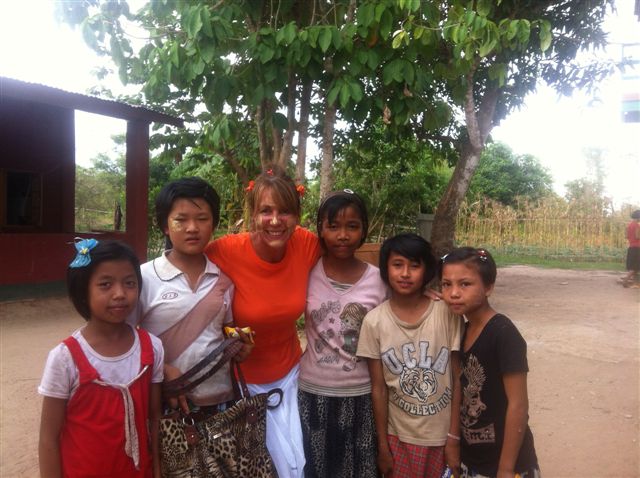
Here are just a few of the beautiful girls that live at Full Moon. This particular day they escorted me around the grounds, took me to the fish pond and over to their dorms. I love so much spending this special time with the girls – and it’s reciprocated! They adorned me with jewellery flowers in my hair and thanaka on my face. Used for hundreds of years by Burmese women and children, the lightly fragrant thanaka cream is drawn on cheeks and noses to highlight beauty and for general well-being. It is a wonderful gift to receive – full moons on my cheeks and in my heart.

 Hands of Compassion Foundation...