Full Moon

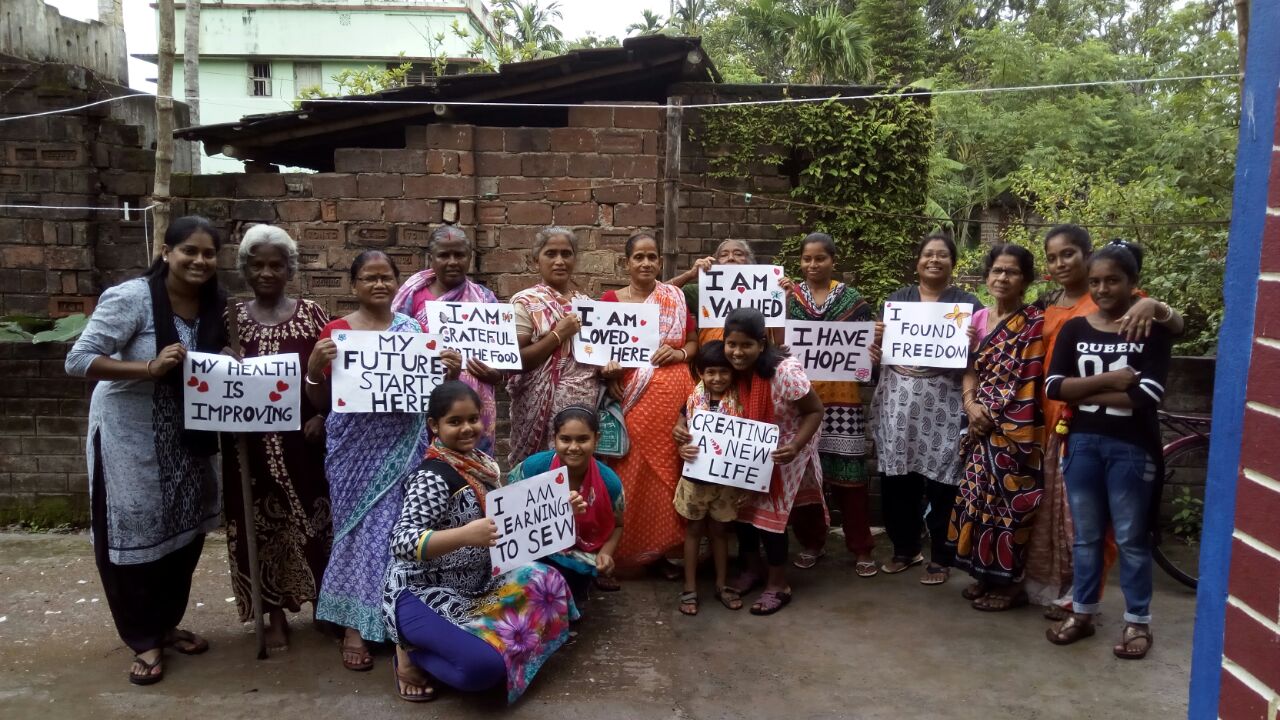
Full Moon is the name of an orphanage in Myanmar, where more than 200 children live. The youngest are toddlers, around 3-years old, finding their way to the orphanage with hardly a memory of the place they have come from. The oldest are young adults in their early twenties, who have grown up in Full Moon and who are about to embark on a new phase of their lives.
Full Moon Orphanage For several years I have watched the orphans of Full Moon grow and flourish. Their lives have changed in amazing ways under the care and guidance of Joe, NiSat and the team of caregivers. Together we’ve worked to develop the children’s well-being, their education and the environment in which they live.

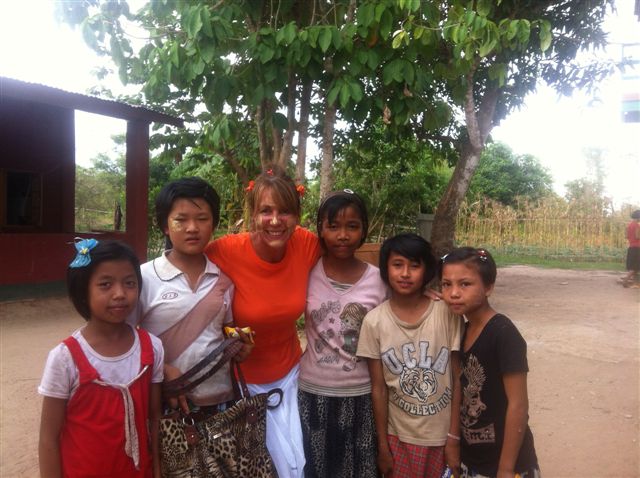
Here are just a few of the beautiful girls that live at Full Moon. This particular day they escorted me around the grounds, took me to the fish pond and over to their dorms. I love so much spending this special time with the girls – and it’s reciprocated! They adorned me with jewellery flowers in my hair and thanaka on my face. Used for hundreds of years by Burmese women and children, the lightly fragrant thanaka cream is drawn on cheeks and noses to highlight beauty and for general well-being. It is a wonderful gift to receive – full moons on my cheeks and in my heart.
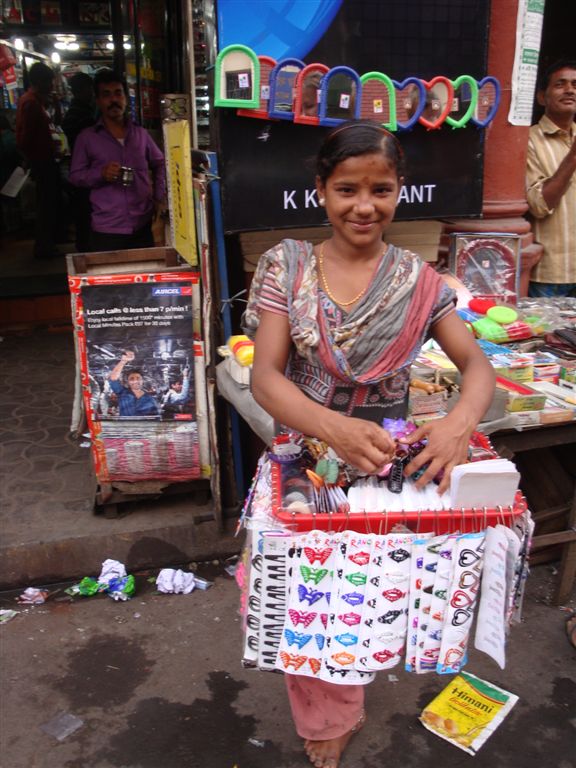
Puja and the five-star approach

This girl is something else!

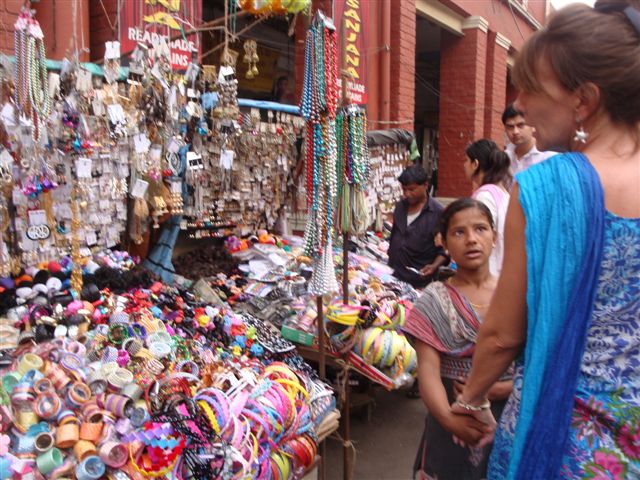
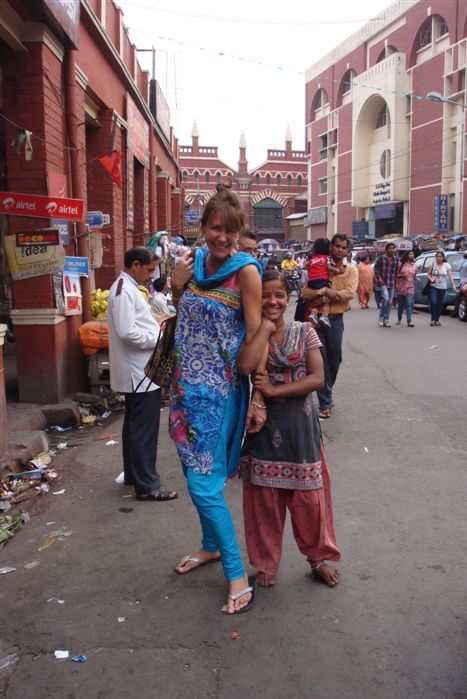
Puja and me in the streets of CalcuttaI first met Puja years ago in the market place in Calcutta. From the very first time I saw her, I was taken by her bright personality and how very street smart she was.

Behind a five-star hotel on a “footpath”, together with her sister and mother, was home, the place Puja had lived all her life. Where she lived is also where she was educated – on the streets. She never attended a traditional school. Her mother needed her to provide for their little family, there was no time for school.

Her home on that footpath that led to the expensive hotel was something she turned to her advantage. When I first encountered Puja she was 12 years’ old and already speaking five languages – yes five – it might seem like one for each of the stars of that hotel. One day, at a nearby KFC, she gave me a few lessons – in Italian, Spanish and Bengali! She confided that her tutors were “shopping guests” from the hotel towering over her home. A leader at heart, Puja found that speaking to people in their own language has its benefits. She was determined to learn as many languages as possible and to develop her own business. As a result of her finesse the market owners came to respect her and would listen to her suggestions. She partnered with local market-stall holders to generate a commission of sales from the customers she brought to them.

entrepreneur at 12 - Puja in calcuttaPuja and Brenda in the Calcutta marketPuja stole my heart. Her tenacity and smarts really inspired me to think differently about reaching out and helping others like her trying to survive on the streets. How to help so many children who can’t go to school because they have to take care of their families instead? I knew in my heart that there had to be a solution. The answer was not to pluck them all out of their lives but to provide them with the tools and encouragement to help overcome poverty, to improve their situation.

If we plan it right we can be invited to walk alongside those in need, mentor them, supervise them for safety and provide a semblance of education. Helping them to help themselves. I make a point of visiting with Puja every time I am in Calcutta. Every visit is a sweet reunion.

Incubating care

One of the things you come to appreciate as a traveller is that there are always different ways of looking at things. Local teachings, generations of beliefs and traditions, are all part of what colours our cultures.sick boy On a visit to one of the orphanages that I supported in Myanmar, I came across a teachable moment. In the rice storage room that we were inspecting, there was a huddle of blankets on the concrete floor. Underneath it, sweating profusely, an 8-year old boy was dying of dehydration. Thin as a stick, he hadn’t eaten in days. His high fever led his carers to deprive him of water in the folklorish belief that a fever must be starved and sweated out. No-one had called a doctor to check on the boy or confirm his symptoms and course of treatment.

I tore off the blankets and called for water, and quickly had someone bring ice from the market and cloth with which to sponge him down. The boy thirsted for water and I could hardly keep up with his need to drink and to replenish his dehydrated body. I was so thankful to be there – it wasn’t too late to save him.

At that moment I realized that not all native teachings had to be the way forward. There had to be a way to share basic, modern healthcare information with the caregivers of tucked away orphanages. How to provide health education and access to health workers to guide people to better look after themselves and those in their care? The seed for our caregiver program was born in that moment and over time developed with local doctors and educators. It combines practical tips and guidance to operate orphanages and care homes and it is delivered through a support network that ensures each facility now has a Caregiver Manual to which to refer instead of having to rely on self diagnosis.

Our fever boy recovered fully in a matter of days.